Production / Hybrid Workflow

AI-Assisted Live-Action Production.

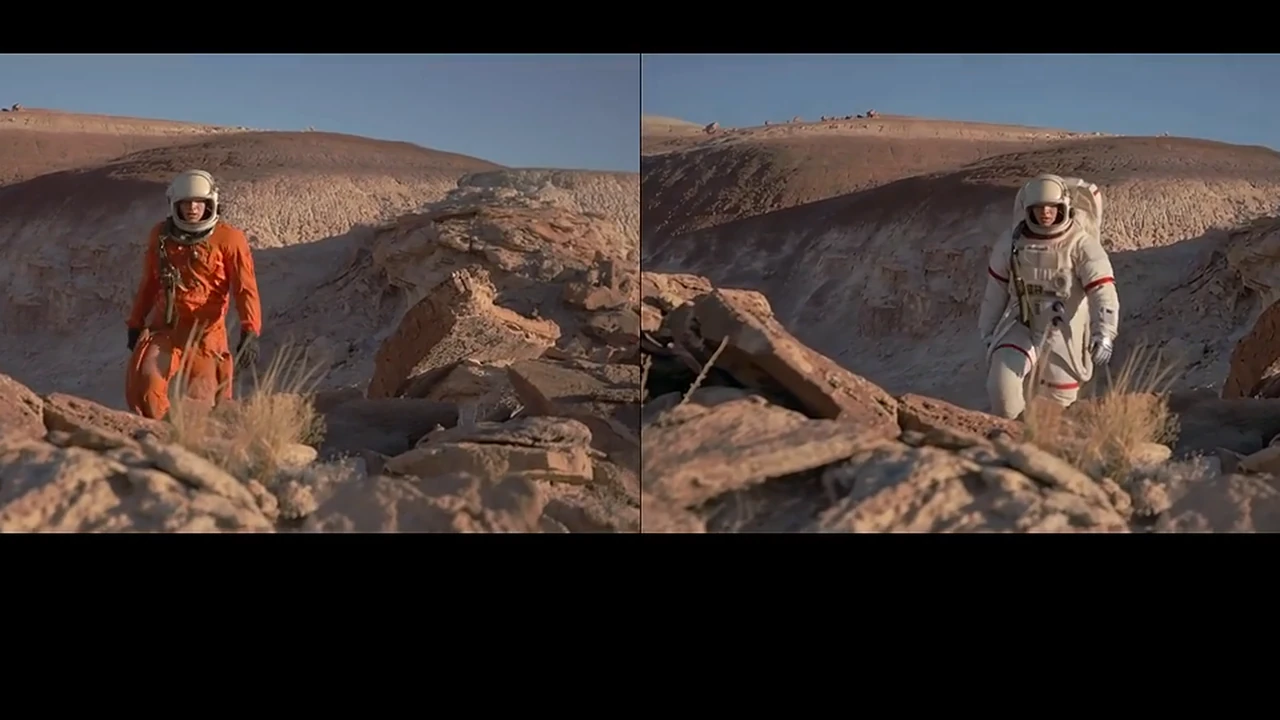
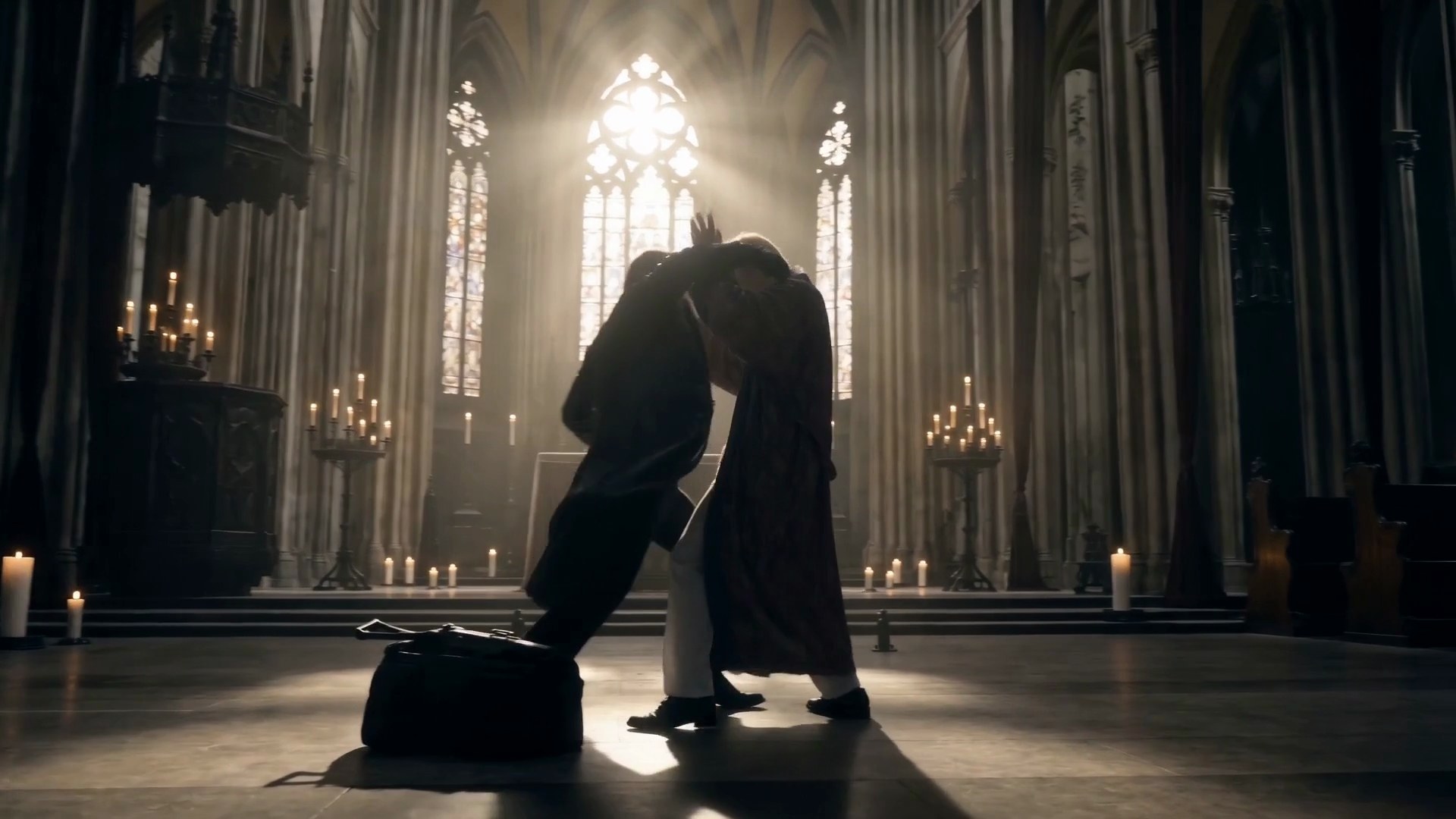
AI-assisted physical production keeps performance, cinematography, lighting, and production design at the center of the process. We plan the practical shoot and the AI work together so each tool has a defined purpose. The result is a hybrid workflow designed to preserve the grounded qualities of live action while expanding environments, transitions, and visual possibilities in post.

Onsetology production notes · Updated August 26, 2026

Best Suited For

Where This Workflow Helps.

  • Campaigns that need recognizable human performance with worlds that are difficult to build practically
  • Film and short-form narrative work that benefits from real camera movement, lighting, and interaction
  • Projects that need multiple visual directions from a carefully planned physical shoot
  • Concepts where AI should support the image without replacing the production discipline behind it

Deliverables

What the Engagement Can Include.

  • Creative and technical treatment
  • Previsualization and shot planning
  • Physical production and live-action plates
  • AI-assisted environments or image transformation
  • Compositing, color, finishing, and delivery masters

Working Principle

Technology Serves the Shot.

We select methods around the brief, source material, schedule, review needs, and final delivery—not around a predetermined tool.

01 / Process

How AI-Assisted Live-Action Production Works.

01

Define the visual problem

We identify what should be captured physically, what can be extended, and where an AI method creates a meaningful production advantage.

02

Design the handoff before the shoot

Framing, movement, lighting, wardrobe, texture, and clean-plate needs are planned around the intended post-production workflow.

03

Protect the performance

The physical shoot prioritizes direction, timing, interaction, and camera craft so the final image retains a real human center.

04

Build and finish

AI-generated or transformed material is selected, composited, matched, graded, and reviewed as part of the same finishing process.

02 / Production Notes

Planning the Shoot and AI Handoff Together.

Make the AI decision before the camera rolls

A hybrid production becomes fragile when AI is treated as a rescue step after editorial. The useful question is not simply whether a project will use AI, but which parts of the image should remain physical, which parts should be extended or transformed, and what information post-production will need from the set.

That decision can affect framing, clean plates, lens and camera metadata, lighting references, wardrobe texture, reflective surfaces, camera movement, and coverage. Planning those requirements early creates more room for the finished image while reducing avoidable uncertainty between production and post.

Protect the elements that are hardest to regenerate

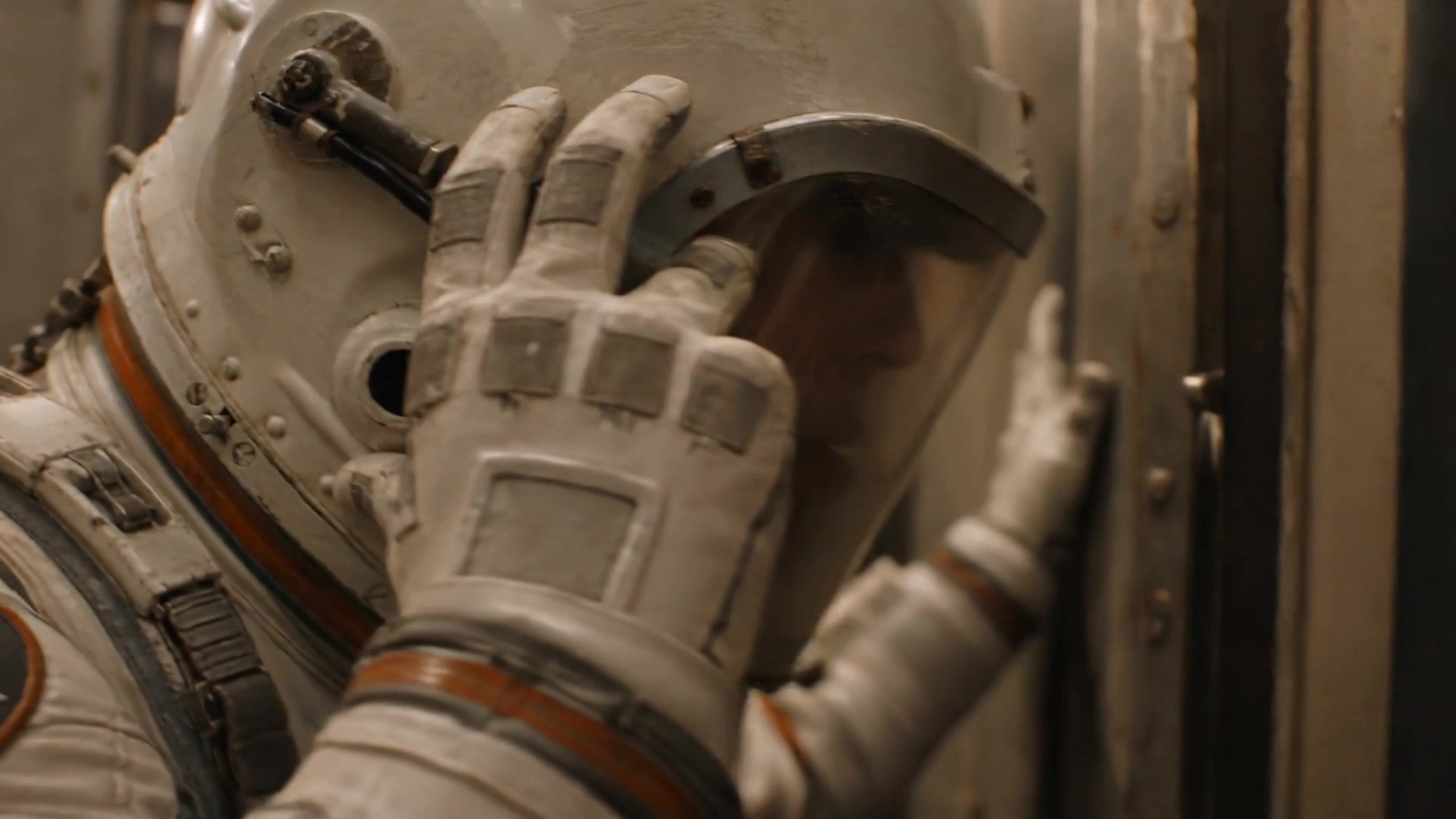
Performance, timing, eye lines, object interaction, deliberate camera movement, and photographed texture are often the strongest reasons to shoot physically. They give the scene a human center and create stable constraints for every later visual decision.

The method is evaluated shot by shot. A close performance may need the original face, hands, contact, and lighting to remain untouched while the environment changes. A wider shot may allow more transformation. Defining that boundary is part of the production design, not a decision deferred to the final render.

Approve motion, not only a promising frame

A still image can hide continuity problems that become obvious when a shot moves. Representative motion tests reveal how a method handles edges, occlusion, motion blur, changing perspective, lighting, and interaction over time.

A practical approval path moves from a visual target to a short motion test and then to a small sequence before the workflow scales. This keeps review focused and prevents an attractive frame from being mistaken for a production-ready moving image.
04 / FAQ

Practical Questions.

Does AI replace the live-action shoot?

Not in this workflow. Performance, camera, lighting, and selected practical elements are captured physically. AI is assigned to specific extensions or transformations that support the brief.

When should the AI approach be decided?

During development and pre-production. Early decisions improve plate quality, continuity, edit flexibility, and the reliability of the final composite.

Can the same plates support multiple environments?

Sometimes, when the concept, lighting strategy, camera movement, and coverage are planned for that flexibility. The feasibility is evaluated shot by shot.

Can AI preserve an actor’s face and performance?

The workflow can keep the original face, hands, timing, eye lines, interaction, camera movement, and photographed texture while selected environments or other approved elements change. The boundary is planned shot by shot before production.

Project Inquiry

Build the Right Workflow.

Planning a brand campaign? Explore our AI commercial and video production in Los Angeles approach.

Discuss a Project